
AI can take the grind out of SEO: research, clustering, briefs, drafts, and optimisation. It can also tank your site if you mass-publish generic AI content. Here’s the workflow that uses AI for leverage while keeping the human judgement that still wins rankings, plus how to show up in AI answers, not just blue links.
What actually changed in search
If your SEO playbook still assumes someone types a question, scans ten blue links, and clicks yours, it’s already out of date. The behaviour has shifted, and the numbers are stark.
SparkToro’s 2024 clickstream study found that 58.5% of US Google searches now end without a single click to the open web. [1] People get their answer on the results page and move on. On top of that, Google’s AI Overviews now appear on a large and growing share of searches, with some 2026 studies putting it near half of US queries, [3] answering the question before a website gets a look in. And Gartner has forecast that traditional search engine volume will fall 25% by 2026 as people ask AI tools instead. [2]
So here’s the uncomfortable truth: ranking number one matters less than it used to, and being the source an AI answer pulls from matters more. AI is part of the problem here. It’s also, used well, the most powerful tool you have to respond. Let’s get practical.
Where AI helps, and where it hurts
Let’s be honest, because this is where most “AI for SEO” advice goes wrong. AI is brilliant at the grind: research, clustering, outlining, first drafts, and reformatting. It is dangerous when you use it to mass-produce thin content and hit publish.
Google’s own guidance is clear that it rewards helpful, people-first content and acts against content made primarily to game rankings, regardless of how it’s produced. [4] Translation: AI-assisted is fine, AI slop is not. The sites hit hardest in recent updates weren’t penalised for using AI in itself. They were penalised for publishing low-value pages at scale with no real expertise behind them.
Use AI to do the work faster, not to skip the thinking. Every page should still have a clear point of view, real expertise, and something a reader can’t get from the AI Overview itself. If a page exists only to rank, it’s a liability now.
Keyword and topic research
This is the fastest win. AI won’t replace a proper keyword tool like Ahrefs or Semrush for hard search-volume data, but it’s superb at the messy, creative part: finding the questions real people ask and grouping them into topics.
Prompt: build a topic cluster
I run [type of business] and want to rank for topics around [broad subject]. My ideal customer is [describe them and the problem they're trying to solve].
Give me a topic cluster: one pillar topic, then 8 to 12 supporting article ideas phrased the way my customer would actually search. For each, note the search intent (informational, commercial, transactional) and the single question the article must answer. Group them so I can see the silo structure.
Then take those terms into your keyword tool to check volume and difficulty. AI gives you the human phrasing and the structure; the tool gives you the data. Together they’re faster than either alone.
Briefs and outlines
A good content brief is the difference between a writer producing something useful and something that misses. AI writes briefs fast, and a strong brief is what stops the eventual draft from being generic.
Prompt: a brief that beats the current top result
I want to write the best possible page for the search "[target keyword]". Search intent is [intent]. The reader is [describe them].
Create a content brief: the angle that would beat the current top results, a logical H2/H3 outline, the specific questions the page must answer, 3 things competitors miss that we should include, and the one expert insight or original take that would make this page worth citing. Don't write the article, just the brief.
That “worth citing” line is deliberate. In a world of AI answers, you want to be the source the answer engine quotes. Briefs that aim for genuine insight, not just keyword coverage, are how you get there.
Drafting and on-page optimisation
Now you can draft. The rule: AI writes the scaffolding, you add the expertise, the examples, and the opinion. A draft you ship straight from the model is exactly the thin content Google is filtering out.
Prompt: optimise an existing page without keyword-stuffing
Here's a page targeting "[keyword]":
[paste the content]
Suggest on-page improvements: a stronger title tag (under 60 characters) and meta description (under 155), clearer H2s phrased as questions where natural, internal-link opportunities, and any spot where I could add a direct, quotable answer near the top. Do NOT stuff keywords. Flag anything that reads as written-for-robots.
One specific tactic that pays off now: put a clear, direct, two-sentence answer to the page’s main question right near the top. That’s the chunk an AI Overview or answer engine is most likely to lift, and it helps human skimmers too. For the full version of this approach, our answer engine optimisation guide goes deep.
Getting cited by AI answer engines
Here’s the shift that scares people and shouldn’t. You’re no longer only optimising for Google’s ranking. You’re optimising to be the source ChatGPT, Perplexity, and Google’s AI Overviews pull from when they answer. That’s answer engine optimisation, and it’s becoming as important as classic SEO.
The mechanics are less mysterious than they sound. Answer engines favour content that’s clearly structured, factually grounded, well-sourced, and demonstrably written by someone who knows the subject. Clear question-style headings, concise direct answers, real data with citations, and visible author expertise all make your content easier to quote. We’ve written a full marketing playbook on getting your brand cited in ChatGPT if you want the tactical detail.
Prompt: make a page more quotable for AI
Review this page for how easily an AI answer engine could cite it:
[paste content or URL summary]
Tell me: which questions it clearly answers, where the answers are buried instead of stated plainly, what claims need a source to be trustworthy, and 3 specific edits that would make a section more likely to be quoted as a standalone answer.
Technical SEO and internal links
AI is a genuinely useful assistant for the technical and structural side, even if you’re not technical yourself. It can draft schema markup, suggest a sensible internal-linking structure, write alt text at scale, and explain a crawl error in plain English.
A favourite use: paste a list of your published URLs and ask the model to propose internal links between related pages with natural anchor text. Internal linking is one of the most under-used ranking levers, and it’s tedious to do by hand. Just verify every link it suggests actually exists before you add it, because AI will occasionally invent a tidy-looking URL that goes nowhere.
Whether it’s an internal link, a statistic, or a competitor claim, treat AI output as a confident draft, not a fact. Check links, check numbers, check sources. The five minutes you spend verifying is what keeps your site credible.
The end-to-end workflow and tools
Here’s how it fits together for a lean team. Research: ChatGPT or Claude for clustering and question discovery, then Ahrefs or Semrush for the hard data. Briefs: AI drafts, you sharpen the angle. Drafting: AI scaffolds, a human adds expertise and a point of view. Optimisation: AI suggests on-page and AEO improvements, you approve them. Technical: AI drafts schema and internal links, you verify. Measure: watch not just rankings and clicks but whether you’re showing up in AI answers, because that’s the traffic the old metrics miss.
Start this week with one thing: take your best-performing existing page and run the AEO prompt on it. Add a clear, quotable answer near the top, fix the headings, and make sure your sources are visible. That single page will teach you more about modern SEO than any checklist. If you want the broader marketing context, our guide on how to use ChatGPT for marketing covers the workflows around this one.
Frequently asked questions
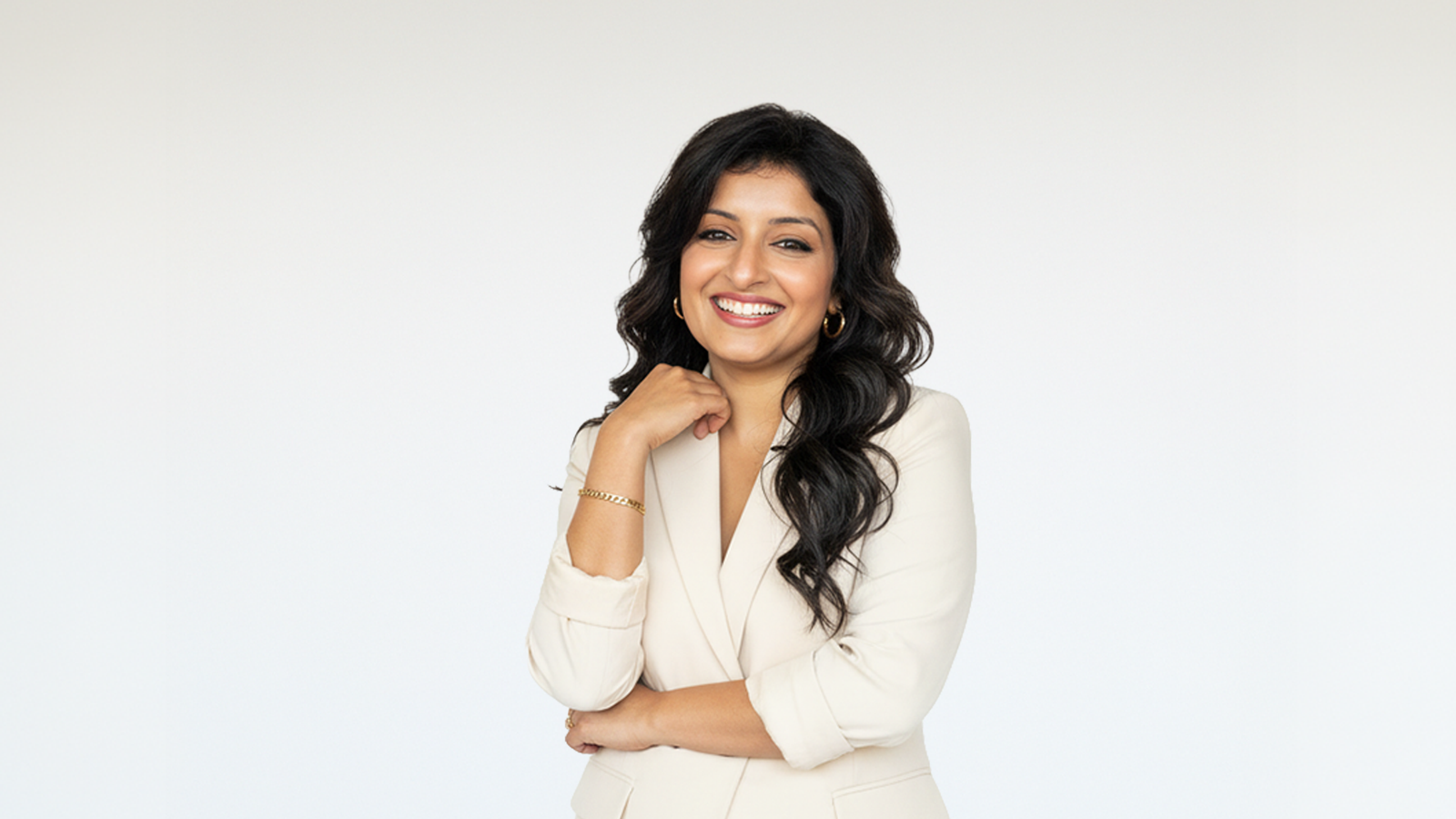
This guide was written by Hina Mian, Co-Founder of Future Factors AI, drawing on hands-on work with non-technical teams. It is updated periodically as the tools and the field move. Future Factors AI offers Bootcamps, Corporate Workshops, and Speaking & Consulting for teams getting practical with AI.
Sources
- [1] SparkToro. 2024 Zero-Click Search Study. 2024.
- [2] Gartner. Gartner Predicts Search Engine Volume Will Drop 25% by 2026. 2024.
- [3] SeoProfy. Google AI Overviews: Statistics and Trends in 2026. 2026.
- [4] Google Search Central. Creating Helpful, Reliable, People-First Content. 2025.
- [5] Search Engine Land. Nearly 60% of Google Searches End Without a Click in 2024. 2024.