
Used well, ChatGPT speeds up the language-heavy parts of SEO: search intent analysis, topic clusters, on-page copy, and FAQ sections. Used lazily, it produces generic content that ranks for nothing and invents data you cannot trust. This guide gives you the prompts that work, the workflow that keeps quality high, and how to write content that both Google and AI answer engines will use.
Let’s be honest about ChatGPT and SEO
Here is what I tell every marketer who asks if ChatGPT can do their SEO: it can do a lot of the work, but it cannot do the thinking for you, and it absolutely cannot replace real keyword data. Used well, it is the fastest SEO assistant you have ever had. Used lazily, it produces generic content that ranks for nothing.
The landscape makes this skill more urgent, not less. By late 2025, Google’s AI Overviews had settled at around 16% of searches, after swinging widely earlier in the year. [1] Search is changing under our feet, which means the old “stuff a keyword in and pray” approach is dead. ChatGPT helps, but only if you drive.
So this is the honest, hands-on version: where ChatGPT genuinely speeds up SEO, where it will quietly sink you, and the exact prompts I use. This pairs with broader ChatGPT marketing workflows if you want the wider picture.
Where ChatGPT actually helps with SEO
ChatGPT is excellent at the parts of SEO that are language-heavy and judgement-light. That is a real chunk of the job. It is genuinely good at: expanding a seed keyword into topic clusters, drafting title tags and meta descriptions, outlining articles around search intent, generating FAQ sections, writing alt text, and clustering a messy keyword list into themes.
Where it is weak: it does not know real search volume, it cannot see live SERPs, and its sense of “what is ranking now” is unreliable. So treat it as a brilliant strategist and writer who has no access to your analytics. You bring the data, it brings the speed.
ChatGPT is your SEO co-pilot for ideas, structure, and copy. Your keyword tool and Google Search Console are your instruments. Never let the co-pilot fly blind on data it does not have.
Start with search intent, not keywords
The single biggest SEO upgrade ChatGPT gives most marketers is clarity on search intent: what the person actually wants when they type a query. Get this right and everything downstream improves.
Try this prompt: “I am targeting the keyword ‘[your keyword]’. Act as an SEO strategist. What is the likely search intent behind this query? Is the person looking to learn, compare, or buy? What sub-questions would they expect a great page to answer?” The answer tells you what your page must cover to satisfy Google and the reader.
This matters more than ever because Google increasingly rewards pages that comprehensively answer the question, the same content that gets pulled into AI Overviews. Front-loading clear answers is now both an SEO and an answer-engine strategy.
Act as an SEO strategist. For the keyword [keyword], give me: the primary search intent, three sub-intents, the questions a top-ranking page must answer, and a suggested H2 structure that covers them all.
Use ChatGPT to build topic clusters
Single keywords are a losing game. Google rewards topical authority, meaning lots of well-linked content around one theme. ChatGPT is fantastic for mapping these clusters fast.
Prompt it like this: “I run a [type] business. Build a topic cluster around the pillar topic ‘[topic]’. Give me one pillar page idea and 10 supporting article ideas, each with a target keyword and a one-line description of the angle.” In thirty seconds you have a content plan that would have taken an afternoon.
Then validate every keyword in a real tool before you commit. ChatGPT will happily invent search volumes if you let it, so this is non-negotiable. Pair the cluster map with competitor research with AI to see which of those topics rivals are already winning, and where the gaps are.
On-page SEO: titles, metas, and structure
This is where ChatGPT saves the most time day to day. Writing title tags and meta descriptions is tedious, and ChatGPT does it in bulk while you edit. Quality matters because metas influence click-through even when AI Overviews compress the page.
For titles: “Write five SEO title tags for an article targeting ‘[keyword]’. Under 60 characters, include the keyword near the front, and make at least two compelling enough to earn the click.” For metas: “Write a 150-character meta description for this page that includes [keyword] and ends with a clear reason to click.”
It is also strong at generating the structured FAQ sections that win featured snippets and feed AI answers. Ask it for five genuine questions people search around your topic, with concise answers, and you have built snippet bait that doubles as schema content.
Bulk on-page work: titles, metas, headings, alt text, and FAQ blocks. This is the highest time-saving, lowest-risk use of ChatGPT in SEO. Just always edit for voice and accuracy.
Writing content that ranks (without sounding like a robot)
Now the controversial part. Yes, you can write SEO content with ChatGPT. No, you should not publish its first draft. Google has been clear that it rewards helpful, original content and is unimpressed by mass-produced filler, and readers can smell generic AI copy a mile off.
My workflow: use ChatGPT for the outline and the first draft, then heavily rewrite for voice, real examples, and a point of view. The structure and speed come from AI. The expertise, opinions, and specifics come from you. That blend is what ranks and what readers actually finish.
Give it your brand voice and a real brief, not a one-line request. The difference between “write an article about email marketing” and a proper brief with audience, angle, and tone is the difference between landfill and something worth publishing.
Publishing raw ChatGPT output at scale is the fastest way to build a site full of pages that rank for nothing. Use it to draft and accelerate, never to autopilot. A human editor is not optional.
Optimising for AI search, not just Google
SEO is no longer just about ten blue links. People now get answers from AI Overviews, ChatGPT, and Perplexity, and your content needs to be quotable by machines as well as readable by humans. This is the shift behind the shift to zero-click search, and it is reshaping how we write.
The good news: the same habits help. Clear question-style headings, concise direct answers near the top of each section, structured FAQ blocks, and genuine sourcing all make your content easier for AI systems to lift and cite. Ironically, ChatGPT is a useful tool for testing this: ask it your target question and see whether your page would be a good source for the answer.
Practical move: for each key page, write the one-sentence answer to its main question and put it right under the heading. Humans skim it, AI quotes it. Everybody wins.
The mistakes that tank ChatGPT-powered SEO
Three I see constantly. First, trusting invented data: fake keyword volumes, made-up statistics, fabricated sources. Always verify in real tools and cite real sources. AI confidence is not accuracy.
Second, publishing unedited drafts at volume. It feels productive and it quietly builds a thin, generic site Google ignores. Quality over quantity, every time.
Third, ignoring the tool stack around it. ChatGPT is one piece. You still need a real keyword tool, analytics, and a way to track rankings, which is exactly what the best AI tools for marketing teams covers. ChatGPT speeds up the work; it does not replace the instruments.
What to do this week
Pick one page you want to rank and run it through this loop. Ask ChatGPT for the search intent and the questions a great page must answer. Validate the keywords in a real tool. Have it draft titles, metas, and an FAQ block. Then write the body yourself, using its outline, with your real expertise and examples.
Do that for one page properly and you will feel the difference immediately: faster production, sharper structure, and content that actually deserves to rank. Then systematise it.
The marketers winning at SEO right now are not the ones who handed it all to AI. They are the ones who use AI to handle the grunt work so they can spend their time on the strategy and judgement that machines still cannot do.
Frequently asked questions
Can ChatGPT do SEO?
ChatGPT can do a large part of SEO, including search intent analysis, topic clusters, titles, meta descriptions, FAQ blocks, and first drafts. It cannot provide real keyword search volumes, see live search results, or replace human expertise. Use it to speed up the work, but validate data in a real keyword tool and edit every draft.
How do I use ChatGPT for keyword and topic ideas?
Ask it to act as an SEO strategist and build a topic cluster around a pillar topic, with one pillar page and several supporting articles, each with a target keyword and angle. Then validate every keyword in a real tool, because ChatGPT will invent search volumes if you let it. Combine the ideas with competitor research for gaps.
Will Google penalise content written with ChatGPT?
Google rewards helpful, original content and is unimpressed by mass-produced, generic filler regardless of how it was made. ChatGPT content can rank well if you use it to draft and then rewrite heavily for voice, expertise, and real examples. Publishing unedited AI output at scale is the risky approach to avoid.
What are the best ChatGPT prompts for SEO?
The most useful prompts ask for search intent and the questions a top page must answer, a topic cluster around a pillar, five SEO title tags under 60 characters, a 150-character meta description, and a structured FAQ block. Always give ChatGPT your brand voice and a real brief rather than a one-line request.
How do I optimise content for AI search and ChatGPT?
Use clear question-style headings, put a concise direct answer near the top of each section, add structured FAQ blocks, and cite genuine sources. These habits make your content easy for AI Overviews and assistants to quote. You can even ask ChatGPT your target question to test whether your page would be a good source.
About this guide
A practical guide to using ChatGPT for SEO, written from 10+ years running marketing campaigns. SEO and AI-search behaviour are moving fast; figures reflect studies available as of mid-2026, so treat specific percentages as a snapshot and confirm current data in your own tools.
Related reading

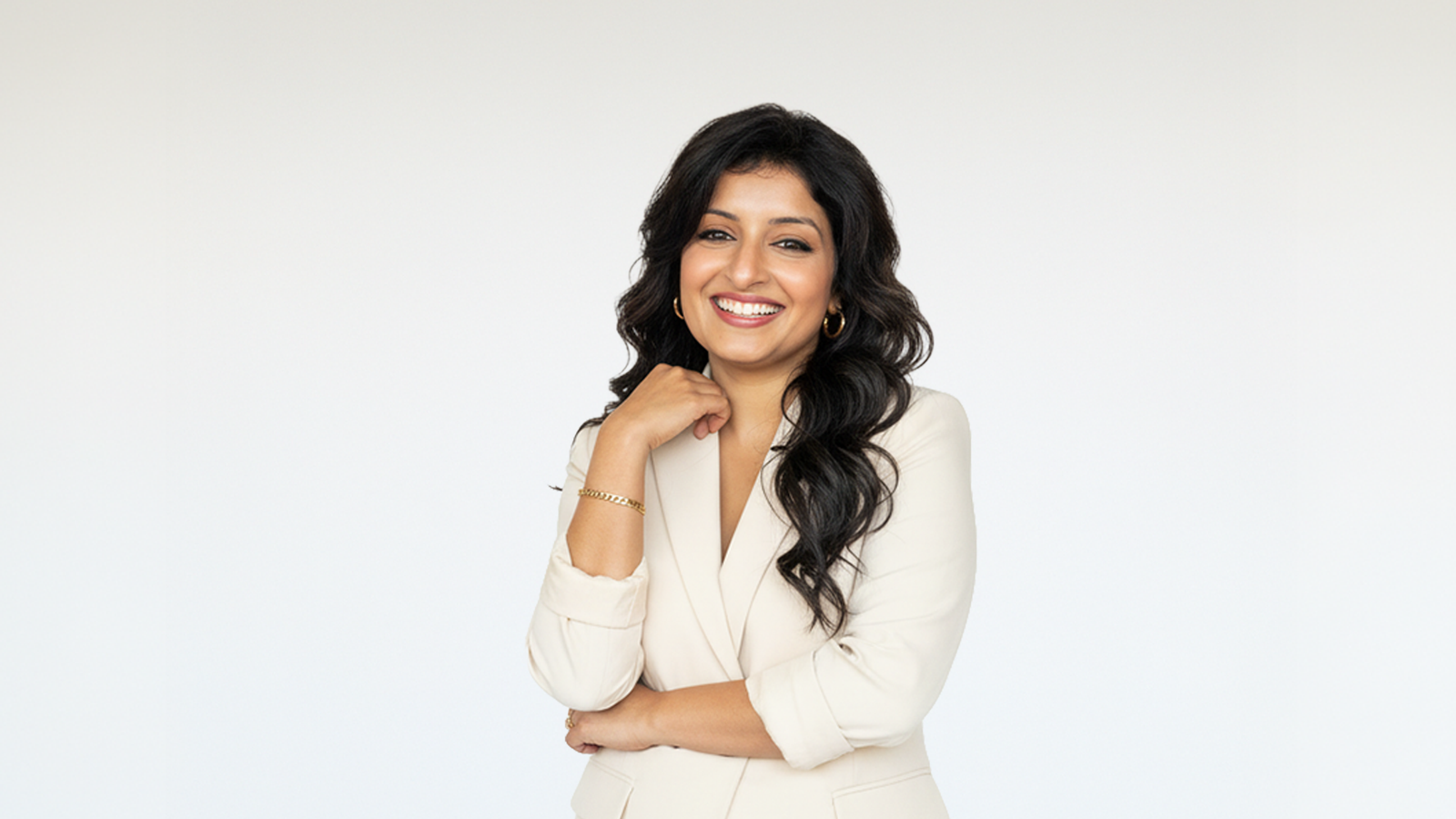
Hina brings 10+ years of marketing strategy and brand growth experience to the AI conversation. She helps businesses and teams cut through the noise and apply AI where it actually matters. Future Factors offers AI Bootcamps, Corporate Workshops, and Speaking & Consulting for teams ready to move from AI-curious to AI-confident.
More about Hina →- [1] Semrush. Semrush AI Overviews Study. 2025.
- [2] Google. Creating helpful, reliable, people-first content. 2026.
- [3] Search Engine Land. Google AI Overviews surged in 2025, then pulled back. 2025.
- [4] HubSpot. 2026 State of Marketing Report. 2026.
- [5] OpenAI. How People Are Using ChatGPT. 2025.